720 proverbs
Proverbs med 582 bokstäver

 For several years now, we have tried to contribute to moving the debate beyond simply reenacting the old battle over the Muhammad cartoons from nearly 10 years ago. If Jyllands-Posten specifically chose to gamble on printing cartoons – the old ones, new ones, with or without Muhammad – then everything would revolve around that, and for us, it would overshadow everything that has happened since 2005, which we must cover through standard journalistic practice. We are focusing on reporting, analyzing, and providing perspective – essentially, classic journalistic virtues. (8 Jan 2015, in an interview on the newspaper's own website regarding the decision not to publish the cartoons.) |  I några år nu har vi försökt bidra till att debatten flyttas vidare än att bara återskapa den gamla striden om Muhammed-teckningarna från för snart 10 år sedan. Om just Jyllands-Posten skulle satsa på att trycka teckningar – de gamla, nya, med eller utan Muhammed – så skulle allt handla om det, och för vår del skulle det överskugga allt det som har hänt sedan 2005, och som vi ska bevaka på ett helt vanligt journalistiskt sätt. Vi koncentrerar oss på att rapportera, analysera och sätta i perspektiv – ja, egentligen helt klassiska journalistiska dygder. (8 Jan 2015, i en intervju på tidningens egen hemsida om beslutet att inte använda teckningarna.) |  I noen år nå har vi forsøkt å bidra til at debatten flyttes videre enn bare å gjenskape den gamle kampen om Muhammed-tegningene fra for snart 10 år siden. Hvis nettopp Jyllands-Posten ville satse på å trykke tegninger – de gamle, nye, med eller uten Muhammed – så ville alt handlet om det, og for vår del ville det overskygget alt det som har skjedd siden 2005, og som vi skal dekke på helt vanlig journalistisk vis. Vi konsentrerer oss om å rapportere, analysere og perspektivere – jo, egentlig helt klassiske journalistiske dyder. (8 Jan 2015, i et intervju på avisens egen hjemmeside om valget om å ikke bruke tegningene.) |  I nogle år nu har vi forsøgt at yde vores bidrag til, at debatten flyttes videre end bare at genopføre den gamle kamp om Muhammed-tegningerne fra for snart 10 år siden. Hvis netop Jyllands-Posten ville satse på at trykke tegninger – de gamle, nye, med eller uden Muhammed – så ville alting handle om dét, og det ville for vores vedkommende skygge for alt dét, der er kommet til siden 2005, og som vi skal dække helt almindeligt journalistisk. Vi koncentrerer os om at rapportere, analysere og perspektivere – jo egentlig helt klassiske journalistiske dyder. (8 Jan 2015, i et interview på avisens egen hjemmeside om fravalget af tegningerne.) |
|  |
|  |
| 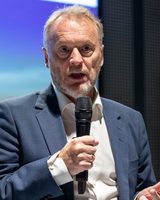 |
| This is where the dilemma arises. For as long as it is for a private purpose, the private individuals are responsible for it. But that does not necessarily mean it is legal. Our entire point, and what we have now had to revise, is that the Personal Data Act does not regulate the use of cameras. But if the camera, for example, films the neighbor, it could well be an intrusion of privacy, and it could be in conflict with the Neighborhood Act, for instance. There are many other legal rules that regulate the way we humans interact with one another. (9 Dec 2014, when he explains the dilemma and the legal aspects of private camera surveillance.) | Här kommer ju dilemmat. För så länge det är ett privat syfte, så är det privatpersonerna som står ansvariga för det. Men det är inte givet att det är lagligt av den anledningen. Hela poängen med vårt arbete, och det som vi nu har fått omarbeta, är att personuppgiftslagen inte reglerar kameranvändning. Men om kameran till exempel filmar grannen, så kan det mycket väl vara en störning av privatlivets frihet, och det kan vara i konflikt med grannlagstiftningen till exempel. Det finns många andra rättsregler som reglerar hur vi människor umgås med varandra. (9 Dec 2014, när han förklarar dilemmat och de juridiska aspekterna av privat kameraövervakning.) | Her kommer jo dilemmaet. For så lenge det er et privat formål, så er det privatpersonene som står ansvarlig for det. Men det er ikke gitt at det er lovlig av den grunn. Hele poenget vårt, og det som vi nå har måttet gjøre om på, er at personopplysningsloven ikke regulerer kamerabruk. Men hvis kameraet for eksempel filmer naboen, så kan det godt være en forstyrrelse av privatlivets frihet, og det kan være i konflikt med naboloven for eksempel. Det er mange andre rettsregler som regulerer måten vi mennesker omgås hverandre på. (9 Dec 2014, når han forklarer dilemmaet og de juridiske aspektene ved privat kameraovervåking.) | Her kommer dilemmaet jo. For så længe det er til et privat formål, er det privatpersonerne, der står ansvarlige for det. Men det er ikke givet, at det er lovligt af den grund. Hele vores pointe, og det som vi nu har været nødt til at ændre, er at persondataloven ikke regulerer brug af kameraer. Men hvis kameraet for eksempel filmer naboen, kan det sagtens være en krænkelse af privatlivets fred, og det kan være i konflikt med naboloven for eksempel. Der er mange andre retsregler, som regulerer den måde, vi mennesker omgås hinanden på. (9 Dec 2014, da han forklarer dilemmaet og de juridiske aspekter ved privat kameraovervågning.) |
|  |
| Much of the refugee flow is now concentrated in a relatively small area of sea between Libya, the small island of Lampedusa, and Sicily. Following the collapse in Libya, Libyan human traffickers have found improved conditions for their extremely cynical operations. In addition, there are now record numbers of refugees worldwide, with over 50 million people on the run. A significant number of these are attempting to reach Europe by boat. It has become more difficult to travel overland through Turkey and Bulgaria because the EU has implemented a stricter regime of fences and surveillance there. (27 Sep 2014, explained why the refugee flow is concentrated in certain areas and the reasons for this) | Mycket av flyktingströmmen är nu koncentrerad till ett relativt litet havsområde mellan Libyen, den lilla ön Lampedusa och Sicilien. Efter sammanbrottet i Libyen har libyska människosmugglare fått bättre arbetsvillkor för sin extremt cyniska verksamhet. Dessutom är flyktingströmmarna i världen nu rekordstora; över 50 miljoner människor är på flykt. En god del av dessa försöker ta sig till Europa med båt. Det har blivit svårare att ta sig över land genom Turkiet och Bulgarien eftersom EU har infört ett strängare regime med stängsel och övervakning där. (27 Sep 2014, förklarade varför flyktingströmmen är koncentrerad till vissa områden och orsakerna till detta) | Mye av flyktningestrømmen er nå konsentrert til et relativt lite havområde mellom Libya, den vesle øya Lampedusa og Sicilia. Etter sammenbruddet i Libya har libyske menneskesmuglere fått bedre arbeidskår for sin ekstremt kyniske virksomhet. I tillegg er det nå rekordstore flyktningestrømmer i verden, over 50 millioner mennesker er på flukt. En god del av disse prøver å komme seg til Europa med båt. Det er blitt vanskeligere å komme seg over land gjennom Tyrkia og Bulgaria fordi EU har gjennomført et strengere regime med gjerder og overvåking der. (27 Sep 2014, forklarte hvorfor flyktningestrømmen er konsentrert i visse områder og årsakene til dette) | Meget af flygtningestrømmen er nu koncentreret til et relativt lille havområde mellem Libyen, den lille ø Lampedusa og Sicilien. Efter sammenbruddet i Libyen har libyske menneskesmuglere fået bedre arbejdsbetingelser for deres ekstremt kyniske virksomhed. Hertil kommer, at der nu er rekordstore flygtningestrømme i verden; over 50 millioner mennesker er på flugt. En god del af disse forsøger at komme til Europa med båd. Det er blevet sværere at komme sig over land gennem Tyrkiet og Bulgarien, fordi EU har gennemført et strengere regime med hegn og overvågning der. (27 Sep 2014, forklarede hvorfor flygtningestrømmen er koncentreret i visse områder og årsagerne til dette) |
|  |
|  |
| The two governments will appoint negotiating committees to address the entire set of issues to be resolved: everything from North Sea assets and national debt to future pension obligations, military forces, and diplomatic representation. The Scottish government has proposed March 24, 2016, as the deadline for these negotiations. The plan is for Scottish independence to be proclaimed then, followed by the first parliamentary election in an independent Scotland. However, there is no legal binding to this proposed deadline, and many observers believe it is unrealistically short. (17 Sep 2014, when the Scots wake up Friday morning, 307 years in union with the English may be over.) | De två regeringarna kommer att utse förhandlingskommittéer som kommer att behandla hela uppsättningen av frågor som må klargöras: Allt från nordsjöns ägande och statsskuld till framtida pensionsåtaganden, militära styrkor och diplomatisk representation. Den skotska regeringen har satt 24 mars 2016 som föreslagen slutdatum för dessa förhandlingar. Då är planen att skotsk självständighet kan proklameras, följt av det första parlamentsvalet i ett självständigt Skottland. Det finns dock ingen juridisk förankring i denna föreslagna tidpunkt, och många observatörer anser att den är orimligt kort. (17 Sep 2014, när skottarna vaknar fredag morgon, kan 307 år i union med engelsmännen vara över.) | De to regjeringene vil utnevne forhandlingskomiteer som vil ta for seg hele settet av spørsmål som skal avklares: Alt fra nordsjøbesittelser og statsgjeld til fremtidige pensjonsforpliktelser, militære styrker og diplomatisk representasjon. Den skotske regjeringen har satt 24. mars 2016 som foreslått endemål for disse forhandlingene. Da er planen at skotsk uavhengighet kan proklameres, etterfulgt av det første parlamentsvalget i et uavhengig Skottland. Det ligger imidlertid ikke noen juridisk føring i denne foreslåtte fristen, og mange observatører mener at den er urealistisk kort. (17 Sep 2014, når skottene våkner fredag morgen, kan 307 år i union med engelskmennene være over.) | De to regeringer vil udnævne forhandlingskomitéer, som vil tage sig af hele sættet af spørgsmål, der skal afklares: Alt fra Nordsøbesiddelser og statsgæld til fremtidige pensionsforpligtelser, militære styrker og diplomatisk repræsentation. Den skotske regering har sat den 24. marts 2016 som foreslået slutdato for disse forhandlinger. Her er planen, at skotsk uafhængighed kan proklameres, efterfulgt af det første parlamentsvalg i et uafhængigt Skotland. Der ligger dog ikke nogen juridisk binding i denne foreslåede frist, og mange observatører mener, at den er urealistisk kort. (17 Sep 2014, når skotterne vågner fredag morgen, kan 307 år i union med englænderne være over.) |
| 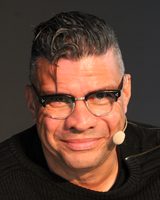 |
Neil Gaiman (1960-) |  |
|  |
| Dear all! I think the DONG agreement is rubbish. It is not SF policy. I tried to convince SF's national leadership that we should redo the process. That battle I (and others) lost. We tried, but the position is that SF votes in favor. This is SF's member democracy, and I must accept that. But this means that I am stepping down from my role as acting group leader, and I will not be voting tomorrow. Thanks to all of you who put effort into trying to change the process. Now we must face the result and make the best of the situation. (30 Jan 2014, in a post on her Facebook page on Wednesday night in connection with her resignation as group leader) | Kära alla! Jag tycker att DONG-avtalet är rent skräp. Det är inte SF-politik. Jag försökte övertyga SF:s partiledning om att vi borde göra om processen. Den kampen förlorade jag (och andra). Vi försökte, men inställningen är att SF röstar ja. Det är SF:s medlemsdemokrati och det måste jag acceptera. Men det betyder att jag avgår från mitt uppdrag som tillförordnad gruppordförande och jag kommer inte att rösta imorgon. Tack till alla ni som lade ner kraft på att få processen ändrad. Nu får vi se resultatet i ögonen och göra det bästa av situationen. (30 Jan 2014, i ett inlägg på sin Facebook-sida natten till torsdag i samband med hennes avgång som gruppordförande) | Kjære alle! Jeg synes DONG-avtalen er helt håpløs. Det er ikke SF-politikk. Jeg forsøkte å overbevise SFs landsledelse om at vi burde gjøre prosessen om. Den kamp tapte jeg (og andre). Vi prøvde, men innstillingen er at SF stemmer for. Det er SFs medlemsdemokrati, og det må jeg akseptere. Men det betyr at jeg legger ned mitt verv som fungerende gruppeleder, og jeg ønsker ikke å stemme i morgen. Takk til alle dere som la krefter i å få endret prosessen. Nå må vi se resultatet i øynene og få det beste ut av situasjonen. (30 Jan 2014, i et innlegg på sin Facebook-side natt til torsdag i forbindelse med hennes tilbaketrekning som gruppeleder) | Kære alle! Jeg synes DONG-aftalen er noget hø. Det er ikke SF politik. Jeg forsøgte at overbevise SF´s landsledelse om, at vi skulle gøre processen om. Den kamp tabte jeg (og andre). Vi prøvede, men indstillingen er, at SF stemmer for. Det er SF´s medlemsdemokrati og det må jeg så acceptere. Men det betyder, at jeg indstiller mit hverv som fungerende gruppeformand og jeg vil ikke skulle stemme i morgen. Tak til alle jer, der lagde kræfter i at få omgjort processen. Nu må vi se resultatet i øjnene og få det bedste ud af situationen. (30 Jan 2014, i et opslag på sin Facebook-side natten til torsdag i forbindelse med hendes tilbagetræden som gruppeformand) |


Number of proverbs are 7207633
varav 7199978 på engelska
Proverb (7207633 st) Search
Headlines (49425 st) Search
Categories (5539 st) Search
Authors (387687 st) Search
Photos (38697 st)
Born (126142 st)
Died (28719 st)
Dates (103856 st)
Countries (139649 st)
Idiom (4439 st)
Lengths
Toplists (6 st)
Denna sida visar alla proverbs, quotes, ordstäv och talesätt med längden 582.
Log in
This website focuses on proverbs in the Swedish, Danish and Norwegian languages, and some parts including the links below have not been translated to English. They are mainly FAQs, various information and webpages for improving the collection.
Här har vi samlat ordstäv och talesätt i 36 år!
Vad är proverb?
Hur funkar det?
Vanliga frågor
Om samlingen
Ordspråkshjältar
Hjälp till!
 |
Log in
This website focuses on proverbs in the Swedish, Danish and Norwegian languages, and some parts including the links below have not been translated to English. They are mainly FAQs, various information and webpages for improving the collection.
Här har vi samlat ordstäv och talesätt i 36 år!
Vad är proverb?
Hur funkar det?
Vanliga frågor
Om samlingen
Ordspråkshjältar
Hjälp till!
|